
Comfort basics · 5 min read
Cushioning, support and footbeds, explained
Soft is not the same as supportive. What these words mean when you are comparing sandals and insoles.
Footwear descriptions use words like “cushioned”, “supportive” and “orthopedic” freely. They describe different things, and knowing the difference helps you choose what feels right for you.
Cushioning
Cushioning is how soft the material underfoot feels and how much it gives when you step down. More cushioning can feel pleasant on hard floors, but very soft footbeds can also feel less stable, and cushioning tends to compress over time.
Support
Support is about how the footwear holds your foot in place. Things that contribute to a supported feel include:
- A footbed shape that follows the contours of the foot, rather than being completely flat
- A heel area that cups or cradles the heel
- Straps that hold the foot to the footbed, so your toes are not gripping to keep the sandal on
- A sole that does not twist or fold too easily
Arch shape
Arches vary from person to person. Some people prefer a noticeable raised area under the arch; others find it uncomfortable. There is no single “correct” arch for everyone — try footwear for short periods first and notice how it feels.
Footbed texture
Some footbeds have a textured surface — fine ribs, small raised dots, or larger rounded nodules like those on acupressure-style sandals. Texture changes the feel underfoot and can add grip between foot and footbed. Strongly textured footbeds feel unusual at first; many people start with shorter periods of wear.
Textured footbeds in the range
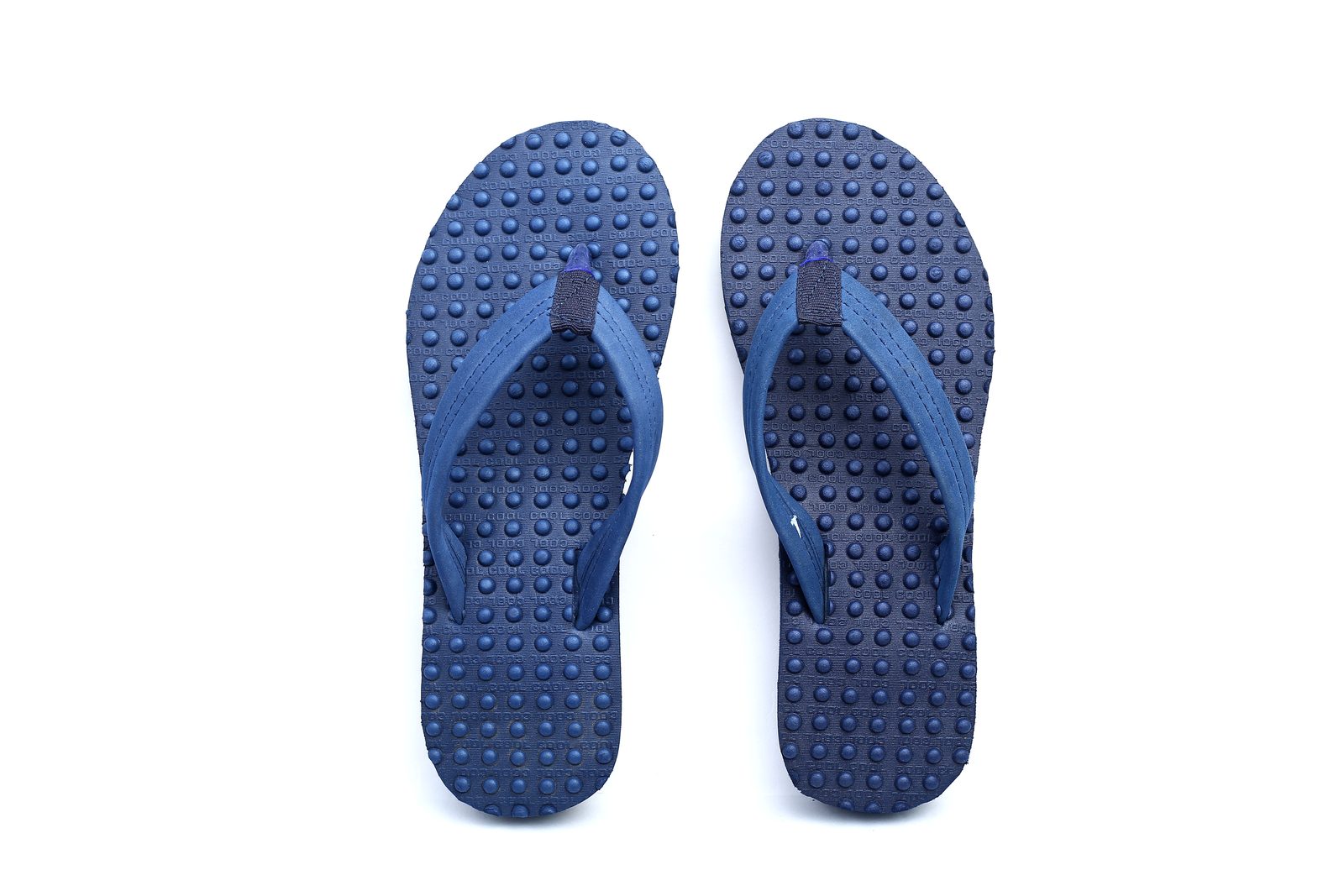 3 colours
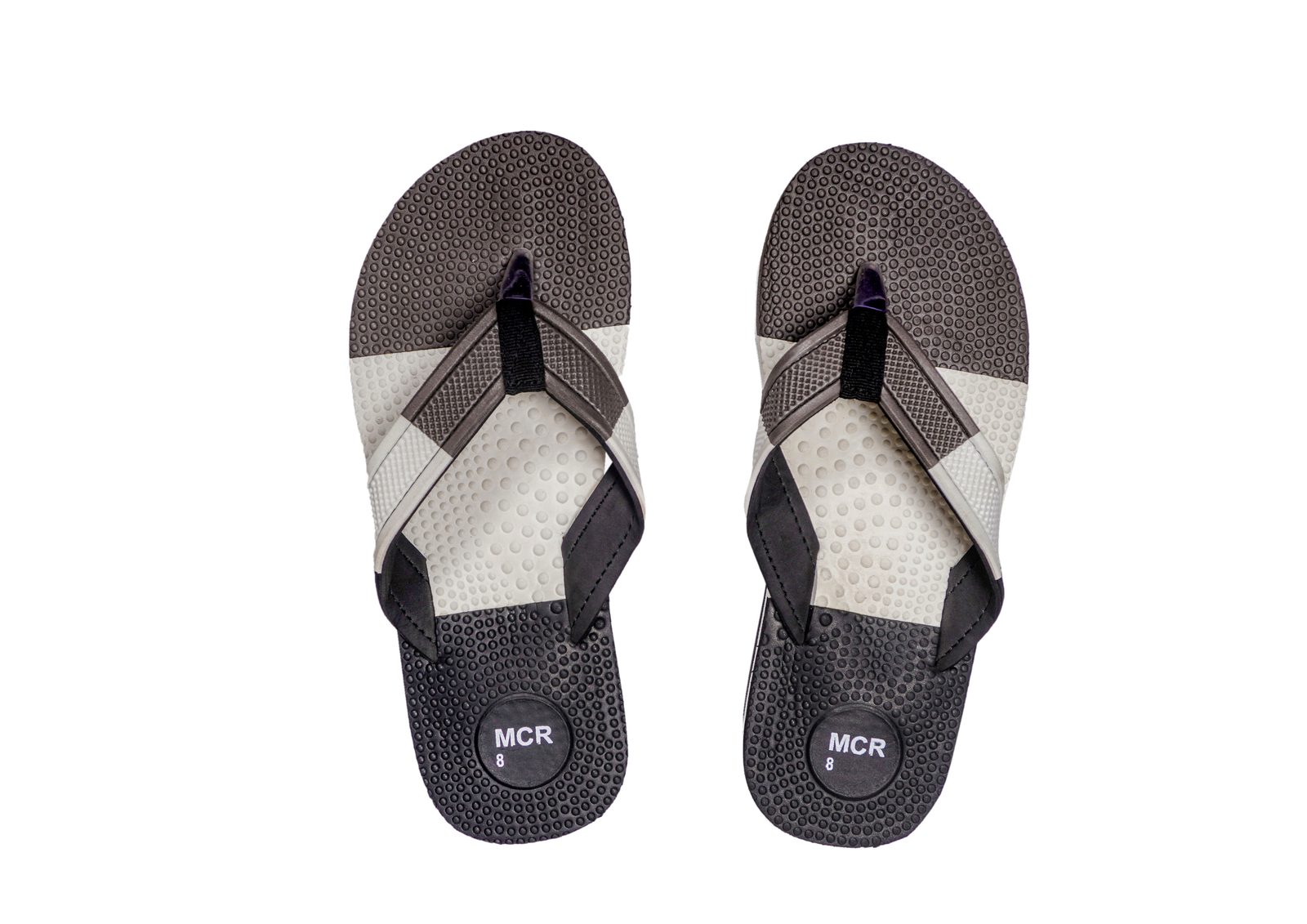 3 colours
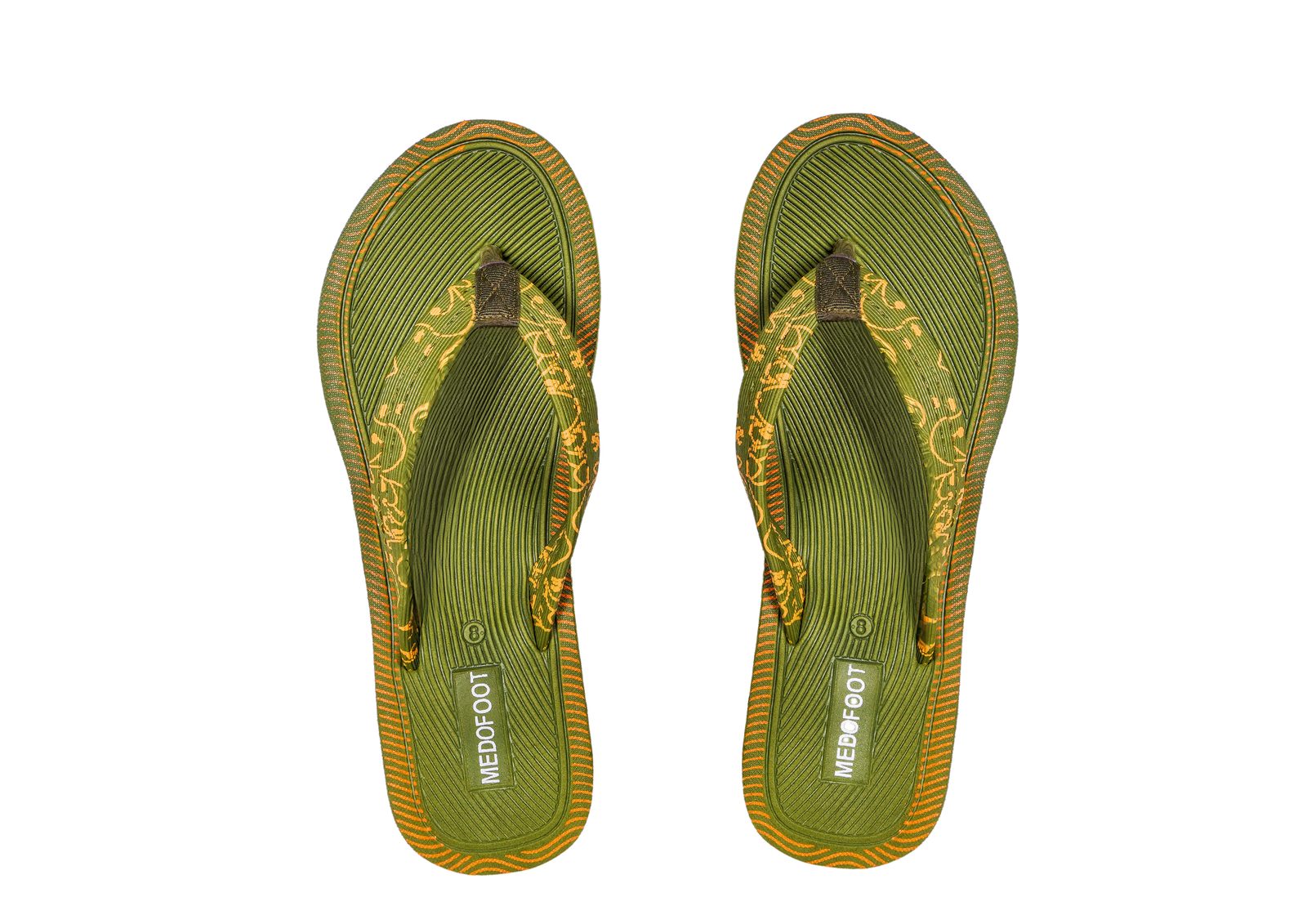 4 colours


What does “orthopedic” mean on a label?
In everyday retail, “orthopedic” or “ortho” usually refers to a design focus on shape, fit and support rather than fashion alone. It is not the same as a custom orthotic prescribed and made for your feet. If you have been advised to use a specific orthotic, follow that advice.